Insider-Led Mexico Travel & Concierge
Expert local insiders design your Mexico trip from scratch — hand-picked stays, private guides, and concierge support from first call to final day.
Mexico trips & itineraries from local insiders
Explore hand-picked Mexico itineraries designed by local insiders who know every hidden corner. Each trip is completely flexible — customized to your pace, travel style, and budget.
A Deeper Mexico
From bustling Mexico City streets to the tranquil highlands of Oaxaca, this couples’ adventure blends vibrant urban energy with serene natural wonders. You’ll wander Mexico City’s historic center and canals, marvel at Teotihuacan’s pyramids, soak Oaxaca’s colonial charm, and trek Hierve el Agua’s limestone terraces with mezcal tasting. Friendly local guides and artisans will share stories, flavors, and traditions, leaving you with unforgettable memories of Mexico’s colors, flavors, and heartfelt hospitality.

Oaxaca and Pacific Coast
Embark on a vivid Mexican adventure that swaps bustling colonial streets for tranquil Pacific coast breezes, delivering culture and nature in balanced doses. Four nights in Oaxaca’s high‑altitude charm, touring Monte Albán and the surreal terraces of Hierve el Agua, then three coastal evenings in Huatulco’s bays, hiking chocolate‑scented waterfalls and sipping mezcal. Friendly local guides weave stories into each shared tour, letting you taste authentic cuisine, hear vibrant music, and leave with a deeper appreciation for Mexico’s rich heritage.
Friends Gathering in Riviera Maya
Your seven‑day Riviera Maya adventure swaps bustling city life for sun‑kissed beaches, crystal lagoons, and hidden jungle wonders, offering a perfect contrast between relaxation and discovery. You’ll begin on Riviera’s golden sands, explore Rio Secreto’s underground river, wander Tulum’s ruins and village, then snorkel reefs at Puerto Morelos, moving from humid coast to cool cenote air. Friendly local guides will share Maya stories, cuisine, and marine lore, leaving you with a deeper connection to the region’s heritage and unforgettable memories of turquoise waters and ancient stone.
Oaxaca Treasures
Explore Oaxaca’s culture and cuisine, visit Monte Albán’s Zapotec ruins, and experience Huatulco’s coast with local conservation insights.
Riviera Maya Experience
Enjoy Riviera Maya’s beaches and culture, visit Isla Contoy and Isla Mujeres, explore Tulum’s ruins, and adventure in Sian Ka’an and Rio Secreto.
From Mexico City to Rivera Maya
Experience Mexico City’s culture, then relax in Riviera Maya, explore Rio Secreto, and unwind on Isla Contoy and Isla Mujeres.
Traditions and Tastes: Mexico City, Puebla & Oaxaca
Explore Mexico City, Puebla, Oaxaca, and Huatulco for history, indigenous culture, outdoor adventures, and relaxed Pacific beach time.
Create your own Mexico itinerary
Work with our local experts to design a journey that fits your pace, interests, and budget perfectly. From hidden waterfalls to private beach villas.
Your dates, your pace.
Hand-picked stays & experiences.
Private local guides throughout.


The best places to visit in Mexico
From iconic landmarks to hidden gems — explore the destinations our local insiders recommend most in Mexico.
Bacalar
Bacalar’s claim to fame is the lagoon that locals call the SevenColors, a stretch of freshwater that shifts from jade to sapphire as the sun moves across the sky. The town sits on the lagoon’s western shore in southern Quintana Roo, Mexico, just a short drive from the Belize border. With a permanent population of roughly 12,000, it retains a quiet, low‑rise streetscape that frames the water’s edge. The 18th‑century Fort San Felipe, now a museum, watches over the historic center and the river that links the lagoon to the Caribbean Sea.
Explore DestinationMexico City
Mexico City rises from the basin of the former Lake Texcoco, where ancient canals still float beside modern skyscrapers. It is the capital of Mexico,perched at about 2,240 metres above sea level in the central highlands. With a population that exceeds eight million, the metropolis blends pre‑colonial ruins, colonial stone, and contemporary architecture in a single urban fabric.
Explore DestinationOaxaca City
A network of stone streets winds around the 16th‑century Santo Domingo de Guzmán, the most photographed baroque complex in Mexico. Oaxaca City sits in a high valley framed by the Sierra Madre del Sur, about 150 km inland from the Pacific coast. The city’s historic centre earned UNESCO World Heritage status in 1987, and its surrounding region holds the pre‑Columbian ruins of Monte Albán, also a World Heritage site. With a population of roughly 300,000, the city balances colonial architecture and living traditions.
Explore DestinationMerida
A tree‑lined boulevard modeled on Parisian avenues stretches through the heart of Merida, echoing the city’s 19th‑century ambition to rival European capitals. Merida sits in the north‑central Yucatán Peninsula of Mexico, where colonial stone streets intersect ancient Maya pathways. With a population of about 350,000, it serves as the state capital and a gateway to nearby archaeological sites.
Explore DestinationIsla Holbox
Scenic beaches and calm waters give Isla Holbox its reputation as a laid‑back retreat. The islandsits off the Mexican coast and remains small enough that visitors can explore it on foot. Its pedestrian‑friendly streets encourage leisurely walks, and the overall atmosphere stays relaxed.
Explore DestinationCampeche
Fortified colonial walls line the historic centre of Campeche, a city whose old town was declared a UNESCO World Heritage Site in 1997. The capital of the state of the same name sits on the Gulf of Mexico in southeast Mexico, where a flat landscape stretches for 523 km of shoreline. Founded in 1540, the city grew as a key port during the colonial era before its fortunes waned after independence.
Explore DestinationSan Miguel de Allende
The historic centre of San Miguel de Allende, with its pink‑hued Baroque and Neoclassical facades, forms a compact UNESCO World Heritage zone. The town lies in the far eastern part of Guanajuato, Mexico, about 274 km from Mexico City, 86 km from Querétaro and 97 km from the state capital. Its name combines the 16th‑century friar Juan de San Miguel and the independence martyr Ignacio Allende, whose house faces the central plaza.
Explore DestinationGuanajuato
A network of underground streets and steep stairways winds through a valley of pink sandstone, giving Guanajuato its unmistakable maze‑like character. The city serves as the capital of the state of Guanajuato in central Mexico and sits within the Bajío macroregion. Its historic centre and the adjacent mines earned UNESCO World Heritage status in 1988, recognizing the town’s colonial architecture and its role in global silver production. Visitors often note the contrast between the narrow alleys that exclude cars and the broad plazas that open onto colorful façades.
Explore DestinationLa Paz
La Paz rests on the sheltered waters of the Bay of La Paz, where the night‑time Coromuel winds drift from the Pacific across the peninsula. It serves as the capital of the Mexican state of Baja California Sur and lies on the Gulf of California’s coastline. With a 2020 census count of 250,141 residents, it is the state’s most populous city.
Explore DestinationXilitla - Huasteca Potosina
A network ofconcrete sculptures, mushroom‑shaped towers and hidden waterfalls rises from the mist‑cloaked cloud forest of Xilitla, the surreal garden known as Las Pozas. Xilitla is a small town in the Huasteca Potosina region of the state of San Luis Potosí, Mexico, perched on the eastern slopes of the Sierra Madre Oriental. With fewer than ten thousand residents, it serves as a gateway to a landscape of limestone cliffs, river canyons and tropical rain‑forest that stretches toward the Gulf coast.
Explore DestinationReal Voices, Real Benefits
We believe travel is more than ticking destinations off a list – it's about discovering new places deeply, feeling connected wherever you go, and knowing you have a trusted team of local experts behind you every step of the way.
Mexico offers year-round travel opportunities. Coastal areas like Riviera Maya or Baja are most enjoyable during the dry season (November to April), while central regions like Mexico City and Oaxaca are comfortable year-round.
Transportation options include luxury buses, car rentals, and domestic flights for longer distances. Many operators offer private or shared transport options, ensuring convenience and flexibility. Public transport is reliable in cities but less so in remote areas.
Safety varies by region. Well-traveled tourist areas are generally safe. Traveling with us adds peace of mind, as we prioritize secure routes and accommodations, and monitor your trip for any necessary adjustments.
The Mexican Peso (MXN) is the official currency. Although credit cards are widely accepted, small vendors and rural areas may require cash. Exchange currency at airports or withdraw pesos from ATMs upon arrival.
Mexican crafts showcase rich cultural heritage. Notable examples include Oaxacan alebrijes, Chiapas textiles,and Talavera pottery. These handmade items reflect the traditions of their regions and make unique souvenirs.
Mexican cuisine is diverse and world-famous. Enjoy street tacos, tamales, and mole, or explore regional dishes like cochinita pibil and pozole. Food safety is generally reliable, especially in restaurants and food stalls recommended by locals or guides.
Mexico is renowned for its festivals, including Día de Muertos (Day of the Dead), Guelaguetza in Oaxaca, and Independence Day on September 16. These events blend tradition, music, and cuisine, offering vibrant cultural experiences.
Mexico is home to diverse natural wonders, from the cenotes of Yucatán to Copper Canyon in Chihuahua. Visit whale-watching spots in Baja California or the monarch butterfly reserves in Michoacán for unforgettable experiences.
Mexico boasts stunning beaches, including the turquoise waters of the Riviera Maya, the surfing spots of Puerto Escondido, and the serene shores of Holbox. There's a beach for every type of traveler.
Mexico's climate varies by region. Coastal areas are warm year-round, while central highlands are cooler. Summers can be humid and rainy, so plan accordingly if visiting during this season.
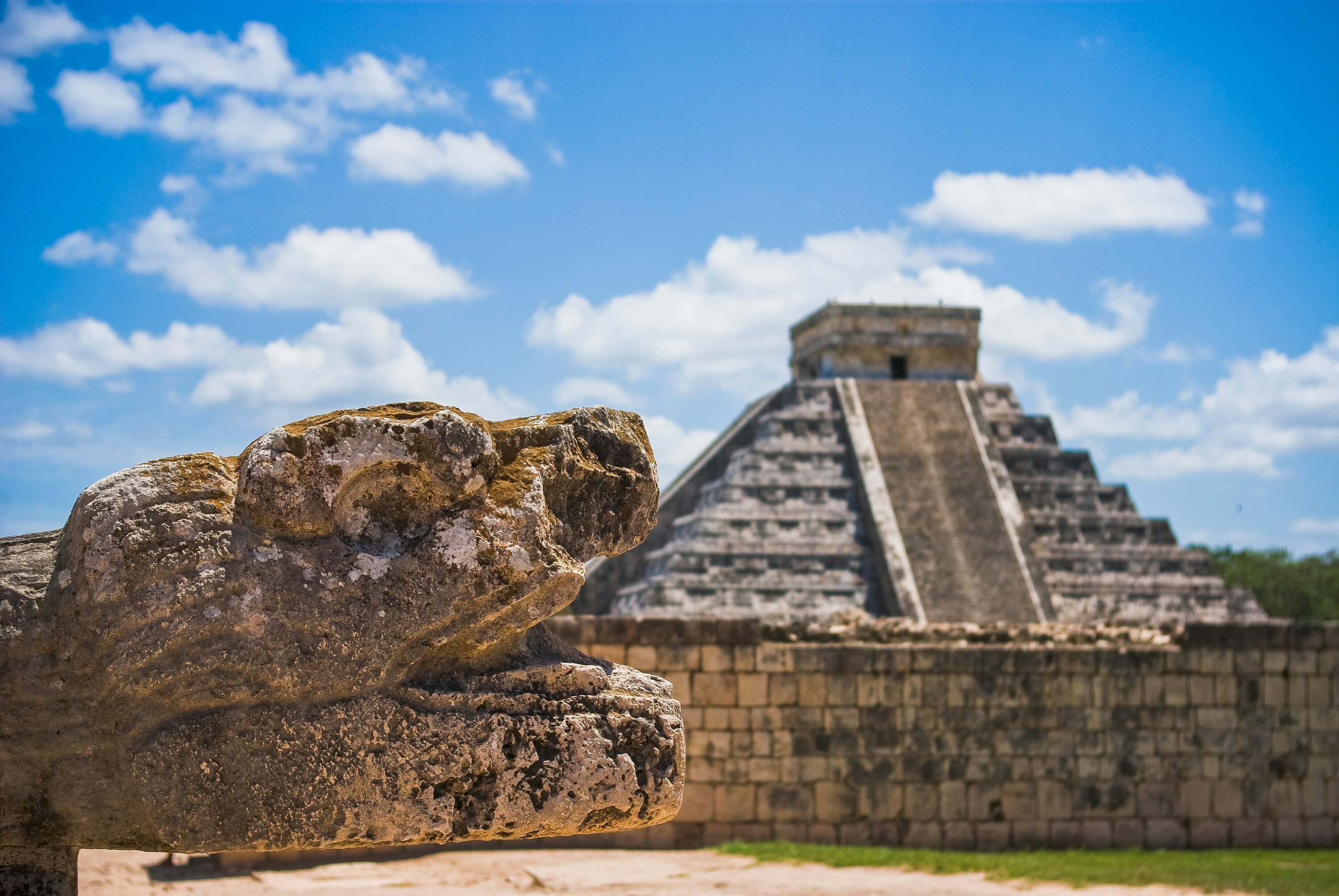
Explore iconic sites like Chichén Itzá, Teotihuacán, and Palenque. These archaeological treasures highlight the architectural brilliance and cultural achievements of ancient civilizations.
Mexico's blend of indigenous and Spanish influences is evident in its art, architecture, and traditions. From Aztec pyramids to colonial churches, the country's history is a key part of its identity.
Support local businesses, stay in eco-friendly accommodations, and participate in community-based tourism. Avoid single-use plastics and respect wildlife to ensure minimal environmental impact.
Driving is safe in many regions, especially on toll roads. Always check local conditions and avoid driving at night. Renting a car is ideal for exploring off-the-beaten-path destinations.
Drink bottled water, wear sunscreen, and use insect repellent in tropical areas. Be cautious with street food and consult your doctor about any vaccinations before your trip.
Explore Mexico City for diverse cuisine, Oaxaca for mole and mezcal, and Puebla for traditional dishes like chiles en nogada. Each region offers distinct flavors worth savoring.
Visit Chiapas, Oaxaca, and Yucatán to learn about indigenous traditions, languages, and crafts. Guided tours provide respectful and immersive experiences.
Options include boutique hotels in San Miguel de Allende, jungle lodges in Palenque, and haciendas in Yucatán. These accommodations offer charm, comfort, and local character.
Mexico's diverse landscapes, rich culture, and warm hospitality make it a favorite for travelers. Whether you're seeking adventure, history, or relaxation, Mexico has it all.
Have more questions about planning your Mexico trip? Explore our frequently asked questions for detailed answers on travel planning, trip prep, and everything you need to know before you go.